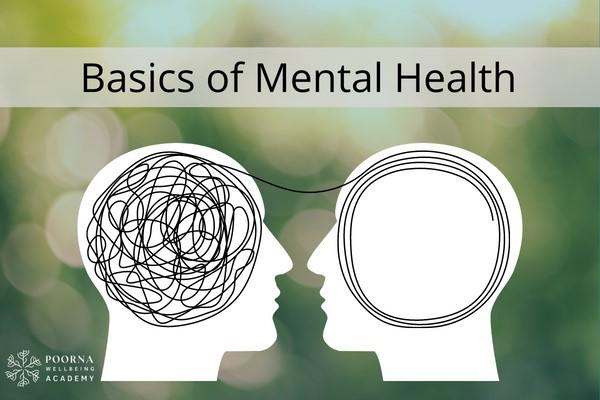
What is Mental Health? Understanding the Basics
Imagine your mind as a house. Just like a home needs care and attention to remain stable, your mental health works the same way. It’s not something we can see or touch, but it affects how we think, feel, and behave every single day. Mental health shapes our mood, influences our decisions, and determines how we handle stress or connect with the people around us.
So, what exactly is mental health?
At its core, mental health is all about balance—finding stability in our thoughts and emotions, just as physical health is about keeping our body in good shape. When we’re mentally healthy, we can cope with life’s ups and downs. We can process emotions like sadness, happiness, or anger in healthy ways, manage stress, and form meaningful relationships with others.
However, like physical health, mental health isn’t always perfect. Everyone goes through challenges, but what’s important is how we address them. Just as catching a cold doesn’t mean we’re in poor physical health, having a rough day doesn’t mean our mental health is weak. It’s all part of being human.
Mental Health vs. Mental Illness
People often mix up mental health with mental illness, but they’re not the same. Mental health refers to our overall emotional and psychological state, while mental illness involves conditions that can disrupt it, like depression, anxiety, or bipolar disorder. Think of it this way: everyone has mental health, just like we all have physical health. But not everyone has a mental illness, just as not everyone has a broken bone or chronic condition.
Why is Mental Health Important?
Mental health plays a role in everything we do—whether it's getting out of bed, handling a tough conversation, or dealing with a stressful workday. It influences how we handle relationships, work, and even how we feel about ourselves. When our mental health is in good shape, we’re more likely to feel motivated, have clearer thoughts, and enjoy life’s moments fully.
But when we neglect it, things can get tricky. Just like a house can become run-down without maintenance, ignoring our mental health can lead to feeling overwhelmed, anxious, or stuck. This is why taking care of our mental well-being is as important as taking care of our bodies.
How Do We Take Care of Mental Health?
The good news is, there are many ways we can maintain and improve our mental health. Here are a few simple ways to take care of it:
- Talk about it – Opening up about your feelings, whether to a friend, family member, or therapist, is often the first step. It’s okay to not be okay, and sharing lightens the emotional load.
- Stay active – Regular exercise is great for the mind. It helps reduce stress, boost your mood, and improve sleep.
- Sleep well – A good night’s sleep gives your brain time to rest and recharge, which helps you think more clearly and manage emotions better.
- Eat well – What we eat affects how we feel. A balanced diet can have a positive effect on your energy and mood.
- Practice mindfulness – Taking moments to breathe deeply, reflect, or meditate can help quiet a busy mind and reduce stress.
- Build connections – Surround yourself with supportive people who lift you up and make you feel valued.
It’s Okay to Ask for Help
No one has to deal with their mental health alone. If you’re feeling overwhelmed, anxious, or lost, reaching out for help is a sign of strength, not weakness. Just as you’d see a doctor for a physical injury, seeking support for mental health is the same. Therapists, counselors, or even trusted friends can provide guidance and comfort.
Remember: Mental Health is a Journey
Taking care of your mental health is a lifelong journey. Some days will be better than others, but that’s part of being human. What matters is knowing that mental health is something we all have, and it deserves the same care and attention as any other part of our well-being.
At the end of the day, we’re all just trying to create a balanced, healthy space for our minds to thrive, just like taking care of a home where we feel safe and secure. When we nurture our mental health, we’re investing in our happiness, relationships, and overall quality of life.